uk-listings
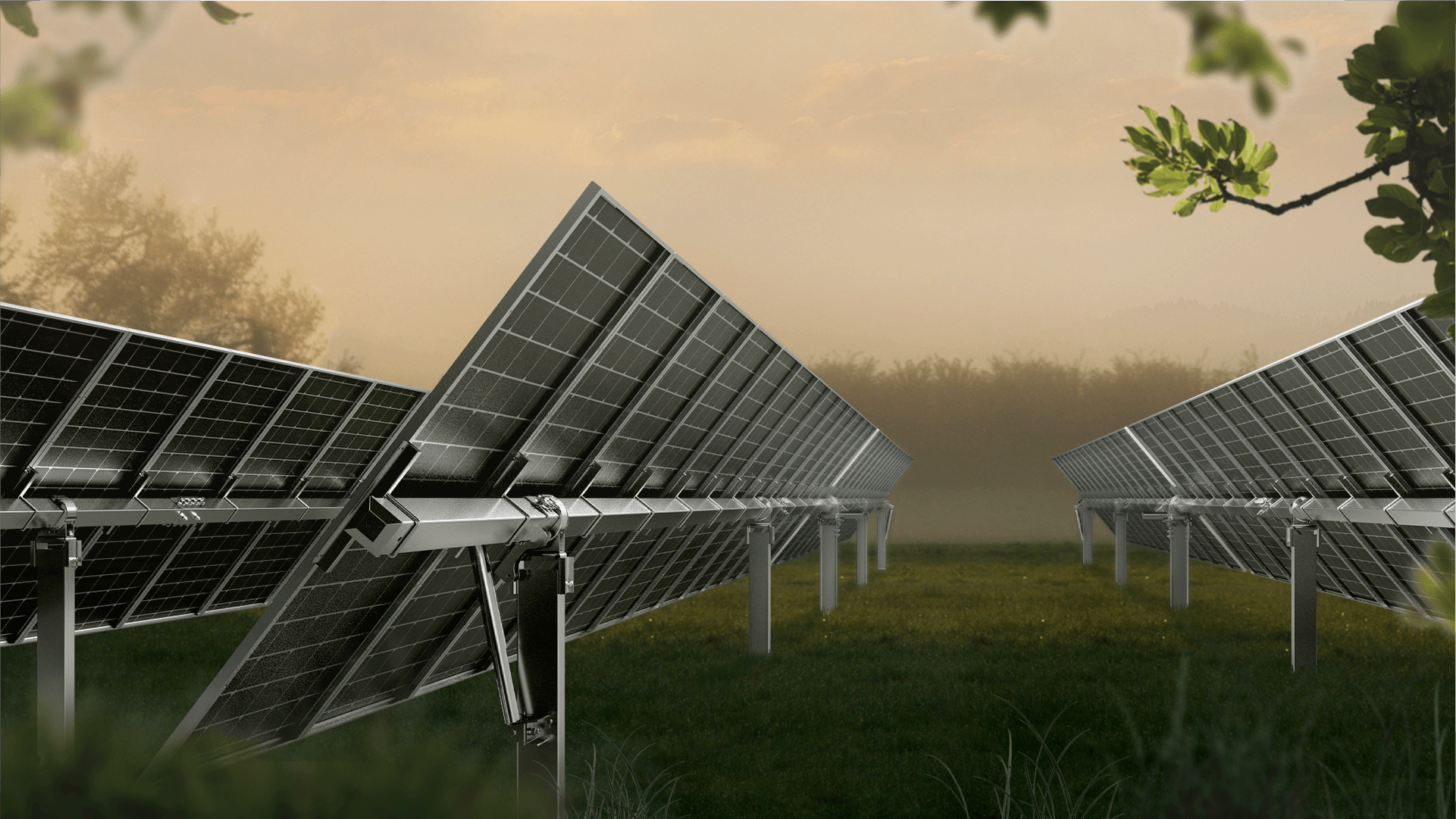
Achieving optimal levelized production costs in utility-scale solar projects relies heavily on balancing mechanical complexity with capital efficiency. Modern solar infrastructure increasingly favors dynamic positioning mechanisms over stationary tilt arrangements to maximize irradiance collection throughout diurnal cycles. Deploying an advanced single axis solar tracking system enhances annual energy yield significantly while maintaining manageable installation and hardware expenditure profiles. Engineering entities like Antaisolar focus on refining drive component reliability and structural geometry to offer utility developers cost-effective, high-yield mounting solutions.
Economic and Technical Drivers Reshaping Modern Photovoltaic Architecture
Balancing upfront capital expenditure against long-term levelized cost of electricity remains a central challenge in utility-scale project development. Fixed-tilt infrastructure historically offered simplicity, but its static nature limits cumulative power generation during early morning and late afternoon hours. Modern utility designs address this yield deficit by integrating dynamic tracking mechanisms that optimize the incidence angle of sunlight continuously across the horizontal plane.
Reducing initial capital investment without sacrificing structural longevity requires structural engineers to simplify mechanical drive assemblies and streamline installation procedures. Optimized single-axis configurations can improve material efficiency, reduce foundation requirements in suitable designs, and accelerate on-site assembly. These engineering refinements allow project developers, EPC contractors, and investors to achieve accelerated payback periods while maintaining robust operational parameters under harsh environmental exposure.
Electromechanical Dynamics of Precision Rotary Motor Assemblies
Core drive mechanisms serve as the mechanical backbone of dynamic solar mounting arrays, bearing continuous rotational loads and environmental exposure. Rotary motor architectures convert electrical signals into steady mechanical torque, driving the central torque tube across its daily tracking trajectory. High-precision drive units maintain accurate module positioning throughout the daily tracking range, supporting consistent solar energy capture while limiting mechanical play along the structural axis.
Long-term reliability in utility installations depends directly on the durability of these drive components under dynamic wind conditions and thermal cycling. Modern rotary drive systems utilize sealed housing enclosures, heavy-duty gear sets, and low-friction bearings designed for a 25-year service lifespan. Installing hardware configurations such as the TAI-Simple single axis solar tracking system helps minimize operational maintenance interventions, supporting continuous energy capture without requiring frequent mechanical recalibration.
Load Distribution Mechanics and Structural Rigidity Optimization
Distributing dynamic wind loads evenly across extended module tables represents a critical engineering requirement for persistent structural integrity. High-velocity wind events create complex aerodynamic forces, including torsional flutter and uplift pressures, which exert severe stress on mechanical joints. Structural profiles must exhibit adequate torsional stiffness to prevent structural deformation and avoid micro-cracking within high-efficiency solar modules.
Optimizing profile geometry and bracket placement allows structural designers to increase unbraced span lengths between foundation posts. Strategic placement of dampening units and locking mechanisms protects the primary drive assembly from absorbing peak dynamic wind forces directly. Utilizing robust hardware, such as the Antaisolar TAI-Simple framework, allows project developers to minimize pile density while retaining the structural resilience required to withstand severe weather events.
Smart Tracking Algorithms and Integrated Yield Management
Combining physical electromechanical drive hardware with intelligent control algorithms represents a transformative step in dynamic solar technology. Modern control platforms calculate optimal tilt angles based on precise astronomical positioning algorithms, adjusting module orientation continuously to capture direct and diffuse beam radiation. Advanced tracking software also incorporates 3D terrain compensation, preventing row-to-row shading during low Sun elevation angles in early morning and late afternoon hours.
Intelligent tracking control units actively communicate with local meteorological sensors to initiate automated protection protocols during extreme weather conditions. When wind speeds exceed safe operational thresholds, control systems command rotary actuators to shift module tables into low-drag stow positions. Integrating smart algorithmic controls alongside durable physical hardware protects balance-of-system investments, maintaining system uptime across diverse geographical conditions.
Mitigating Operational Risks Through Low-Maintenance Drive Design
Lowering operational expenditure requires eliminating common failure points within mechanical power transmission networks. Traditional multi-gear or cable-driven systems often require routine lubrication, belt tension adjustments, and frequent alignment checks to prevent mechanical binding. Modern rotary motor technology replaces complex linkages with streamlined enclosed gear drives, reducing physical wear and protecting internal components from abrasive dust or moisture infiltration.
Minimizing active mechanical components directly correlates with reduced field servicing requirements for operations and maintenance teams. High-durability motor enclosures protect electrical windings and mechanical interfaces against ambient temperature swings, high humidity, and atmospheric corrosion. Deploying an advanced single axis solar tracking system built with high-reliability drive components preserves asset value, preventing costly unexpected outages across decades of continuous field operation.
Capital Efficiency and Balance-of-System Optimization Trends
Capital expenditure optimization extends beyond initial component purchasing into logistics, foundation engineering, and site installation labor. Pre-assembled structural components, standardized mounting interfaces, and simplified fastener connections accelerate field deployment schedules significantly. Streamlining civil engineering requirements and reducing subsurface pile counts lowers heavy equipment usage, site grading needs, and overall job-site labor costs.
Long-term financial returns on utility-scale projects depend on combining low initial installation costs with reliable daily energy generation profiles. Specifying standardized, high-rigidity structural hardware enables procurement managers and distributors to streamline inventory management and lower freight expenses. Selecting an optimized single axis solar tracking system backed by comprehensive factory quality assurance provides project stakeholders with a scalable foundation engineered for high energy yields and sustained long-term profitability.
Conclusion
Advancements in dynamic solar mounting engineering continue to drive down capital costs while enhancing long-term energy yields for utility power plants. Integrating high-precision rotary motor assemblies, robust structural frameworks, and intelligent control algorithms allows project developers to optimize baseline balance-of-system metrics. Collaborating with trusted partners like Antaisolar enables EPC contractors, installers, and project developers to deploy durable dynamic mounting infrastructure engineered for maximum life-cycle profitability.