uk-listings
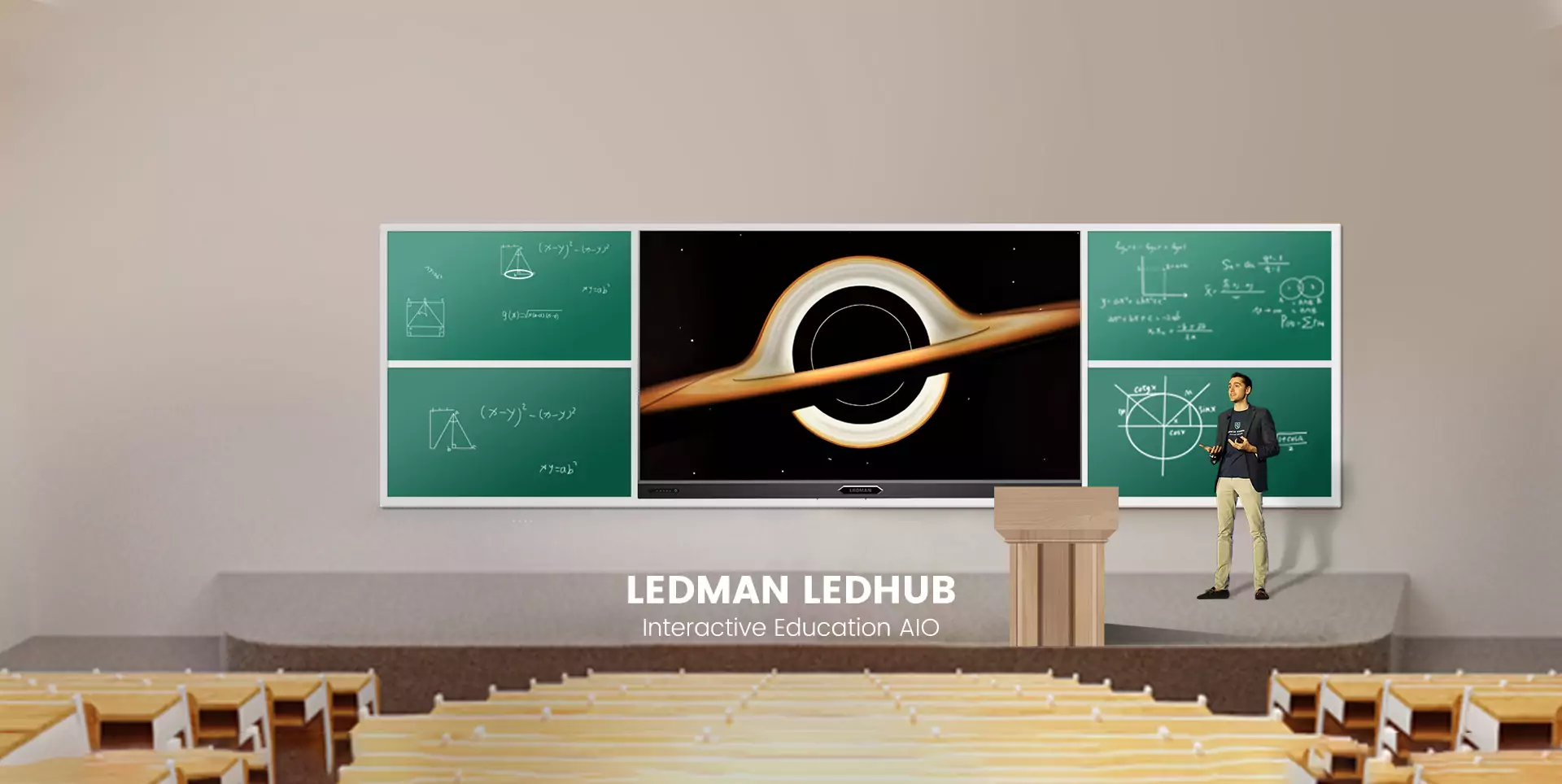
Remote and hybrid lessons work best when students in different locations can access the same teaching content and interaction. Screen sharing, video conferencing, digital annotation, and collaborative activities can turn a classroom into a shared learning space. An interactive panel for classroom use can bring several of these functions together, while Ledman’s education solutions are designed around interactive teaching and content presentation.
Connect Video And Classroom Content
Video conferencing allows remote students to participate in live lessons, while screen sharing gives everyone access to the same slides, diagrams, documents, or demonstrations. Teachers can switch between participants and course materials without relying on multiple separate display devices. Camera and audio capabilities can further improve communication when students need to speak or demonstrate their work.
Support Real-Time Collaboration
Digital annotation creates another layer of participation. Teachers can highlight information, add notes, and explain visual material directly on the display. Remote participants can follow these changes through the conferencing platform, keeping lesson content synchronized with the discussion.
Ledman’s LEDHUB series uses independent COB Micro LED technology patents and is designed with protection against moisture, dust, water, static, collision, and mold. These characteristics can be relevant to busy educational environments where an interactive panel for classroom use faces frequent daily interaction.
Prepare For Hybrid Lesson Delivery
Consistent file formats, reliable network access, suitable camera placement, and clear audio should be considered before hybrid teaching begins. Teachers also benefit from predefined workflows for sharing screens, switching sources, recording lessons, and distributing digital notes.
Testing the full setup before live classes helps identify connection or compatibility problems. Classroom layouts should also provide remote participants with a clear view of teaching materials and sufficient opportunities to contribute.
Conclusion
Effective hybrid learning depends on coordination between people, content, software, and classroom hardware. Interactive displays can simplify that workflow by placing teaching materials and digital interaction within the same visual environment. When schools select an interactive panel for classroom use, compatibility with conferencing systems and everyday teaching practices deserves as much attention as display specifications. Ledman’s COB-based education solutions provide one example of how interactive display technology can support these evolving classroom formats.