uk-listings
Selecting suitable equipment for a dental clinic requires more than comparing appearance or purchase prices. Buyers need to understand technical specifications, system compatibility, and long-term operational value before making investment decisions.
For distributors, clinic owners, and procurement teams, evaluating a reliable dental medical equipment solution means analyzing performance, safety, workflow integration, and maintenance requirements. Clear knowledge of specifications helps professionals choose equipment that supports efficient treatment and consistent clinical performance.
Why Specifications Matter When Choosing Dental Equipment?
Medical equipment specifications provide important information about how a product functions in a professional environment. They explain technical capabilities, operational limitations, and compatibility with other systems in the clinic.
A complete evaluation should consider several areas, including mechanical performance, electrical requirements, ergonomic design, infection control features, and service support. These details help buyers determine whether equipment can meet daily clinical demands.
A qualified dental equipment supplier should provide detailed product information to help customers understand these factors. Professional suppliers focus on matching equipment features with actual clinical requirements rather than simply promoting individual functions.
Understanding Core Specifications of Dental Medical Equipment
Mechanical and Structural Performance
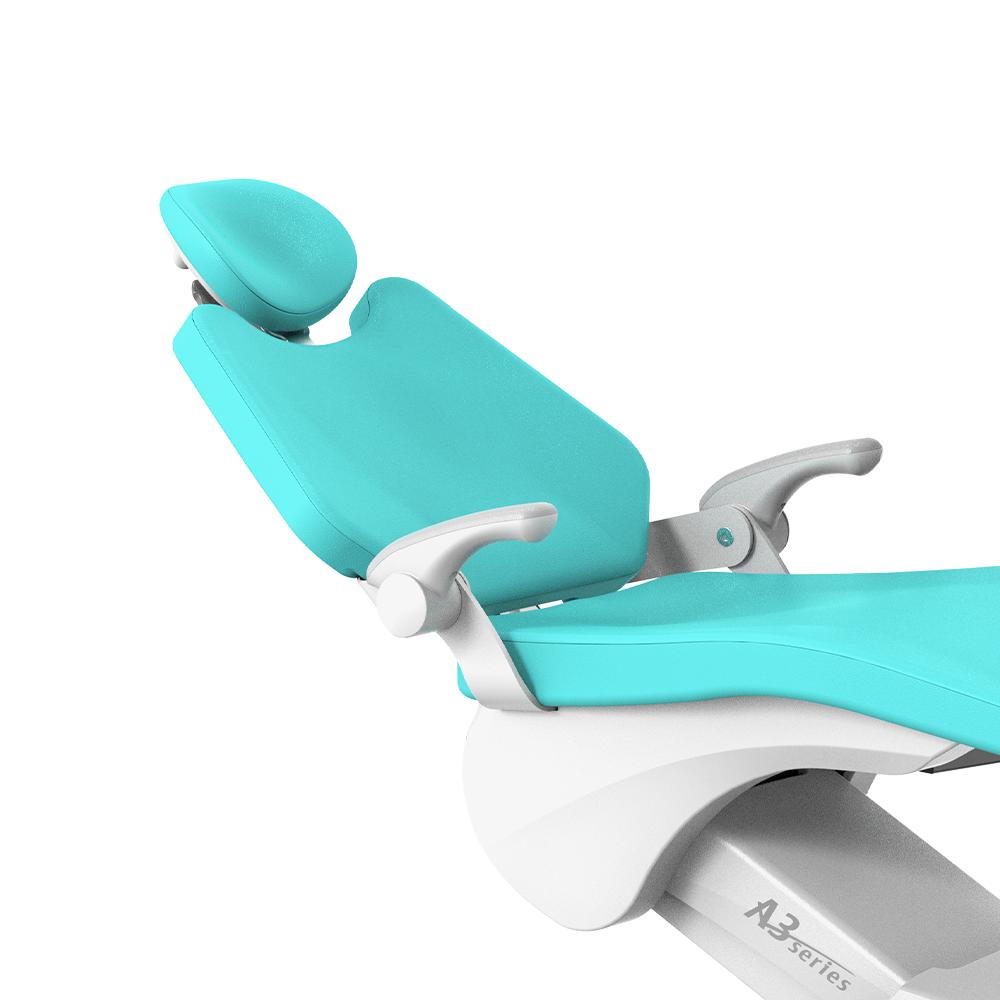
The physical structure of equipment directly affects durability and user experience. When evaluating Dental Medical Equipment, buyers should review materials, load capacity, movement systems, and stability.
For example, dental units must support repeated positioning adjustments during patient treatment. Smooth movement, reliable motors, and strong structural components contribute to better workflow efficiency and reduced maintenance needs.
Ergonomic design is another important specification. Equipment should allow dentists to maintain comfortable working positions while providing patients with stable and adjustable support.
Electrical and Control System Requirements
Modern dental equipment often includes digital control systems, sensors, lighting systems, and integrated operating panels. Understanding electrical specifications helps ensure safe installation and reliable operation.
Important factors include:
Power requirements and voltage compatibility
Control interface design
Safety protection functions
Connection options for accessories
A well-designed control system improves efficiency by allowing dental professionals to adjust settings quickly during procedures. Advanced dental units may also integrate features such as touch controls, automated positioning, and intelligent operating functions.
Evaluating Air, Water, and Hygiene Features
Air Supply and Water Management
Many dental procedures rely on stable air and water systems. Therefore, specifications related to pressure control, filtration, and water management are essential when selecting equipment.
A professional dental equipment supplier should explain how these systems support clinical applications, including handpiece operation, cleaning processes, and daily treatment workflows.
Buyers should also consider whether equipment allows convenient maintenance access. Easy inspection and cleaning procedures help reduce service interruptions and support long-term reliability.
Infection Control Considerations
Hygiene has become a critical factor in dental equipment selection. Equipment specifications should include information about cleaning-friendly surfaces, drainage systems, and optional disinfection functions.
Manufacturers that prioritize hygienic design help clinics create safer treatment environments. Features such as smooth surfaces, accessible components, and integrated cleaning solutions can simplify daily infection control procedures.
How to Compare Different Equipment Suppliers?
Choosing the right supplier requires evaluating more than product specifications. Buyers should examine manufacturing capability, technical support, quality management, and customization options.
Roson provides dental solutions designed around practical clinical requirements, including dental units and related equipment systems. Its manufacturing approach emphasizes quality control and product reliability to support professional dental environments.
When comparing suppliers, customers should ask:
Are technical specifications clearly documented?
Is after-sales support available?
Can spare parts and maintenance guidance be provided?
Does the supplier understand different market requirements?
These questions help reduce purchasing risks and improve long-term equipment value.
The Role of Quality Standards in Equipment Selection
Specifications should also be reviewed together with manufacturing standards. Medical equipment production requires careful quality management because reliability and safety directly affect clinical operations.
Professional manufacturers often apply structured production processes, inspection procedures, and traceability systems to maintain consistency. These practices allow suppliers and buyers to better understand product quality throughout the manufacturing process.
Roson applies quality-focused production methods and supports dental professionals with technical resources, installation guidance, and maintenance information.
Making Better Purchasing Decisions
Before purchasing equipment, buyers should create a checklist based on their clinic environment and treatment needs. A small dental practice may prioritize compact design and easy operation, while larger facilities may require advanced integration and higher workflow efficiency.
The best equipment choice balances technical specifications with practical usability. Cost, maintenance requirements, training needs, and future expansion possibilities should all be considered.
Working with an experienced dental equipment supplier can simplify the selection process because professional guidance helps customers identify suitable solutions based on their specific applications.
Conclusion
Understanding equipment specifications is essential for making informed dental equipment purchasing decisions. From structural design and control systems to hygiene features and supplier support, every specification contributes to long-term performance.
Careful evaluation allows clinics and distributors to select solutions that improve workflow efficiency, support patient care, and provide better investment value. By focusing on practical requirements and reliable manufacturing standards, buyers can build more effective and sustainable dental environments.