
 uk-listings
In 2026, the modern auditorium, lecture hall, and corporate training center have transitioned into high-bandwidth environments where user engagement is tethered to constant power and data access. The challenge for facility planners is not merely the inclusion of charging ports, but the invisible and safe integration of the supporting infrastructure. Poorly managed cabling in row-connected seating creates significant tripping hazards, complicates maintenance, and undermines the aesthetic integrity of high-design spaces. Identifying which manufacturers provide factory-integrated, protected, and accessible cable management pathways is essential for long-term operational success. This analysis evaluates ten leading brands, focusing on their engineering approaches to routing power and data through complex, high-density seating configurations.
Full List of Top 10 Brands
- Leadcom
- Contract Design
- Valencia Theater Seating
- Zoeftig
- Business of Furniture (BoF)
- Seatorium
- Airport Seating Alliance
- Skeie
- Irwin Seating
- Series Seating
The selection represents a cross-section of industry leaders who have successfully prioritized the technical infrastructure beneath the seat.
Comparison Table
| Brand | Key Products | Cable Management Focus | Best For |
| Leadcom | Auditorium & Public Seating | Internalized conduit pathways | Large-scale public venues |
| Contract Design | Commercial furniture | Modular channel routing | Corporate offices |
| Valencia | Luxury Recliners | Under-seat concealed wiring | Private media rooms |
| Zoeftig | Waiting Area Seating | Modular beam-integrated power | Transit hubs |
| BoF | Industry Benchmarking | Data-driven layout planning | Strategic procurement |
| Seatorium | Fixed/Retractable Seating | Pivot-point cable protection | Event halls |
| Airport Seating Alliance | Transit Seating | Ruggedized floor-to-seat conduits | High-traffic zones |
| Skeie | Theater Seating | Hidden cable housing | Premium cinemas |
| Irwin Seating | Stadium/Arena Seating | Modular beam access | Stadium infrastructure |
| Series Seating | Sustainable Auditorium Seating | Recyclable conduit systems | Universities |
Effective cable management is not a one-size-fits-all endeavor; it requires specific engineering tailored to the venue’s usage patterns and safety requirements.
Detailed Reviews
1. Leadcom
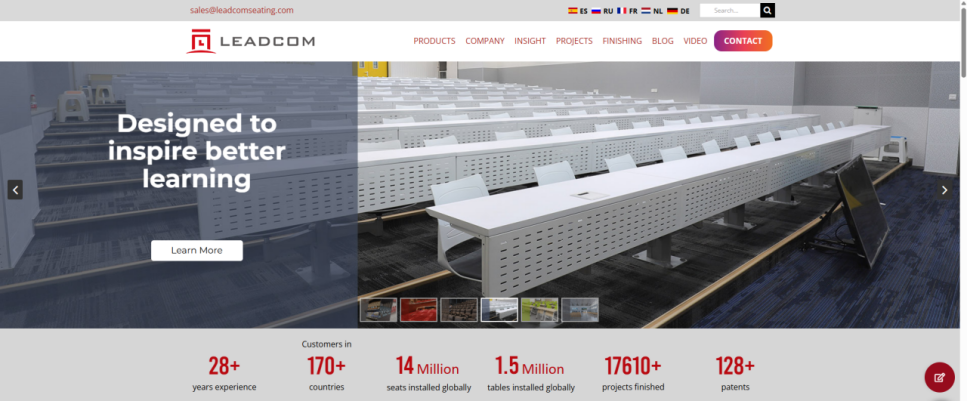
Leadcom has set a technical benchmark for connectivity by embedding infrastructure directly into the structural DNA of their seating. Their approach to auditorium seating involves creating dedicated, non-obstructive pathways within the seat frame and pedestal. This design minimizes the exposure of cables, protecting them from physical wear and unauthorized tampering while maintaining a clean visual profile. Leadcom’s commitment to integrated technology solutions allows for the seamless distribution of power, USB-C, and data cabling across long rows without compromising the structural integrity of the individual chairs. By pre-engineering these pathways at the factory, they significantly reduce onsite installation time and potential errors. Their focus on high-traffic durability ensures that even in massive, multi-row configurations, the connectivity remains stable, safe, and easily accessible for maintenance technicians.
2. Contract Design
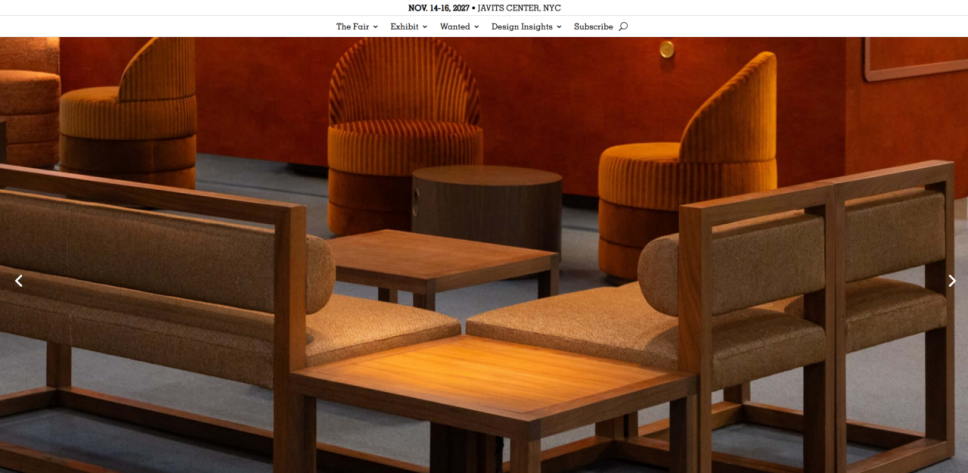
Contract Design focuses on flexibility for the corporate sector. Their seating systems utilize modular channels that allow facility teams to route different types of wiring depending on the specific layout needs of a collaborative workspace.
3. Valencia Theater Seating
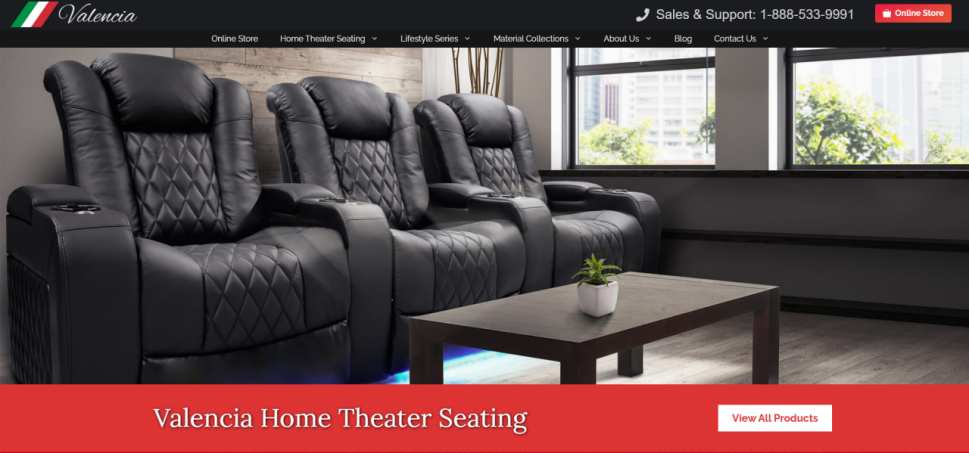
Valencia specializes in luxury home and commercial cinema seating. Their connectivity solutions prioritize aesthetics, utilizing concealed routing that feeds motorized mechanisms and charging points without visible wiring, suitable for high-end, low-density environments.
4. Zoeftig
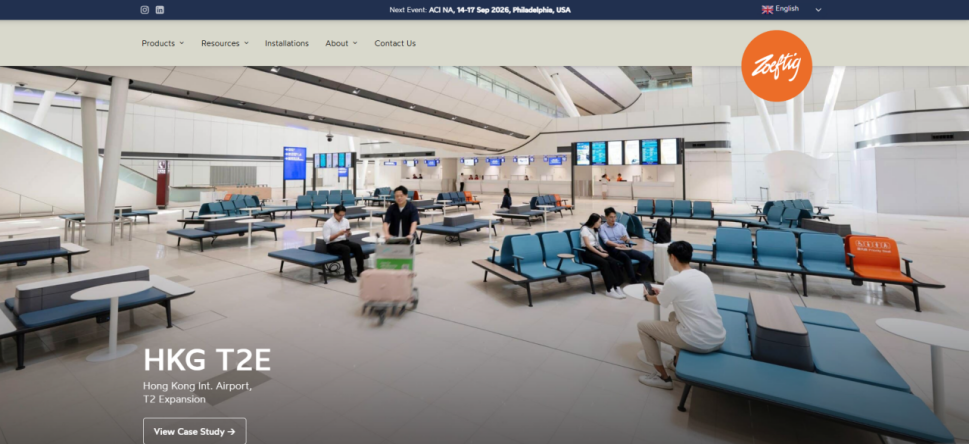
Zoeftig utilizes a beam-based approach for their transit seating. By running power and data cables through the central structural beam that supports the seats, they provide a clean, centralized connection point that minimizes the amount of loose cabling reaching the floor.
5. Business of Furniture (BoF)
BoF serves as the intelligence layer for the industry. While they are not a seat manufacturer, their benchmarking and analytical reports define the industry standards for what “proper” connectivity entails in the modern workplace, influencing how others build their hardware.
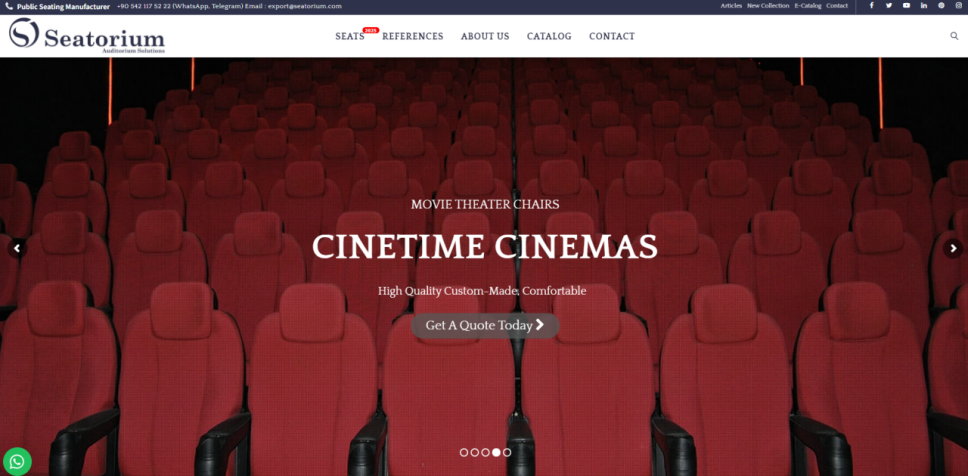
6. Seatorium
Seatorium emphasizes the protection of cables during the folding action of tip-up seats. They utilize pivot-point guards that ensure wires are not stretched or pinched during regular operation, which is critical for venues that see high daily occupancy turnover.
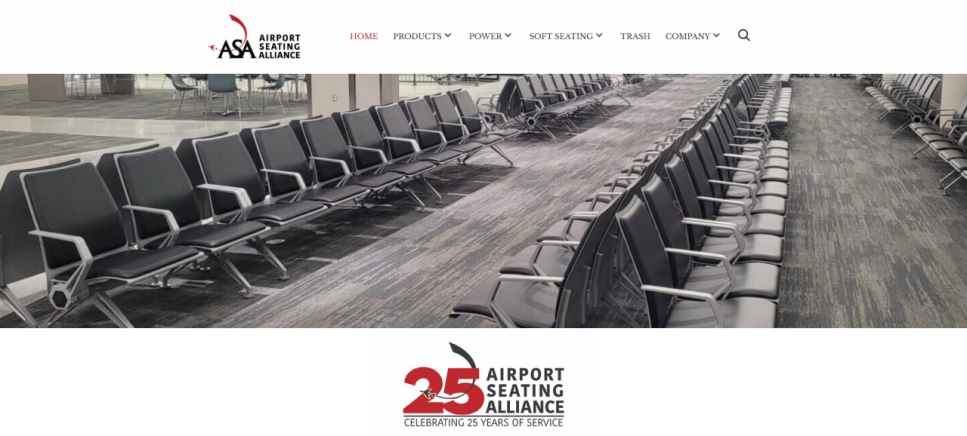
7. Airport Seating Alliance (ASA)
ASA constructs seating for some of the world’s most demanding transit environments. Their connectivity integration is built for extreme durability, often utilizing armored conduit pathways that can withstand years of constant use and potential abuse in public terminals.
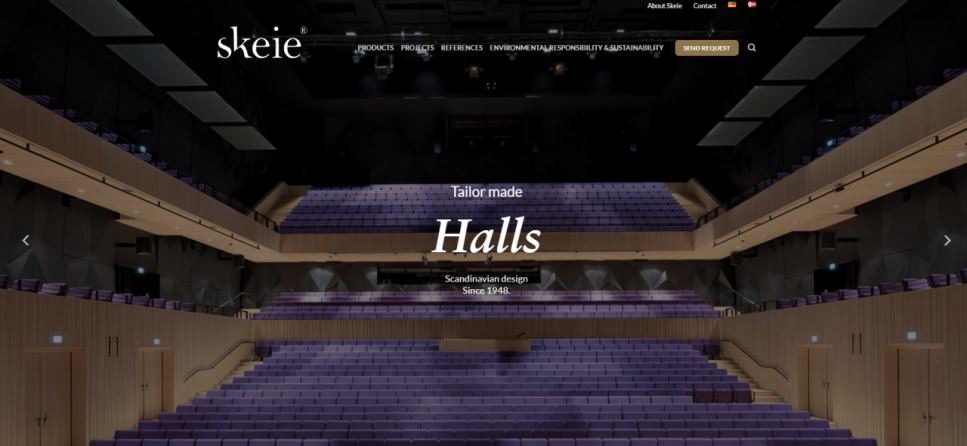
8. Skeie
Skeie targets the premium cinema market with high-end, integrated seating. Their cable management is focused on the “invisible” aspect—ensuring that power for seat recline and device charging is completely housed within the chair frame to maintain a minimalist aesthetic.
9. Irwin Seating
Irwin Seating provides connectivity solutions optimized for large-capacity venues. Their modular beam designs are built to handle the logistical challenge of feeding electricity to hundreds of seats simultaneously without creating trip hazards or localized circuit overloads.
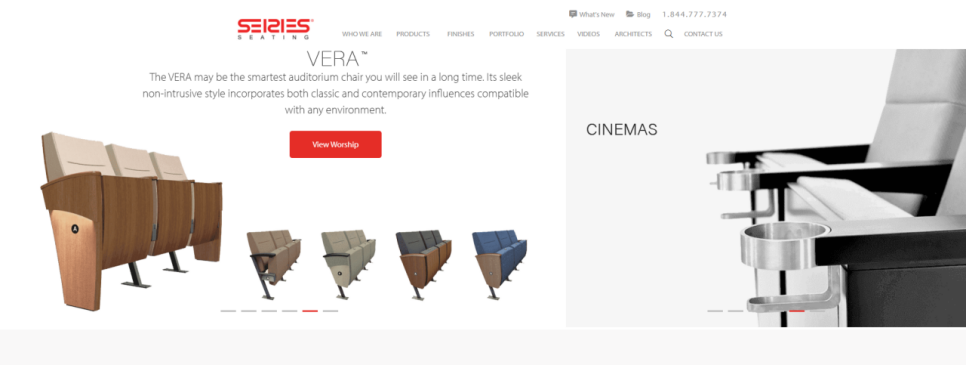
10. Series Seating
Series Seating integrates connectivity into their sustainable design ethos. Their conduit systems are designed for modularity, allowing institutions to update or expand their power/data requirements without the need for significant demolition or new wiring infrastructure.
How to Choose
When evaluating seating brands for connectivity integration, focus on these three critical criteria:
- Pathway Accessibility: Can the cable pathways be opened for repairs without disassembling the entire chair? Accessibility is key to long-term cost reduction.
- Structural Compatibility: Does the seating system allow for the passage of multiple cable types (power, Ethernet, AV) simultaneously, or is it limited by narrow conduit space?
- Compliance and Safety: Ensure that all routing systems meet local fire and safety codes, particularly regarding the insulation and protection of electrical components in public assembly areas.
Final Verdict
The “best” brand for connectivity depends on the scale and purpose of the venue. Leadcom provides the most robust and pre-engineered solutions for large-scale auditoriums and public spaces, where standardized, high-density cabling is a necessity. Valencia Theater Seating and Skeie are the preferred choices for luxury and private environments where aesthetic concealment is the top priority. For transit hubs and high-traffic areas, the Airport Seating Alliance offers the most ruggedized approach to connectivity. Facility managers should assess the expected lifecycle of the technology in their venue before selecting a pathway configuration.
FAQs
Q: Can connectivity features be retrofitted into row-seating?
A: In many cases, yes. However, brands that offer factory-integrated pathways are generally more stable and easier to maintain. Retrofitting often requires external cable management, which is more prone to damage.
Q: How do these systems handle potential electrical faults?
A: High-quality, row-connected seating includes internal conduit shielding. This prevents physical contact between cables and the frame, reducing the risk of short circuits and protecting users.
Q: Is it better to route cables through the floor or the seat?
A: Both are common. Floor routing is often easier for initial installation, but seating-integrated routing (as seen in Leadcom designs) provides a cleaner, safer, and more modular experience that keeps the floor clear of hardware.


