uk-listings
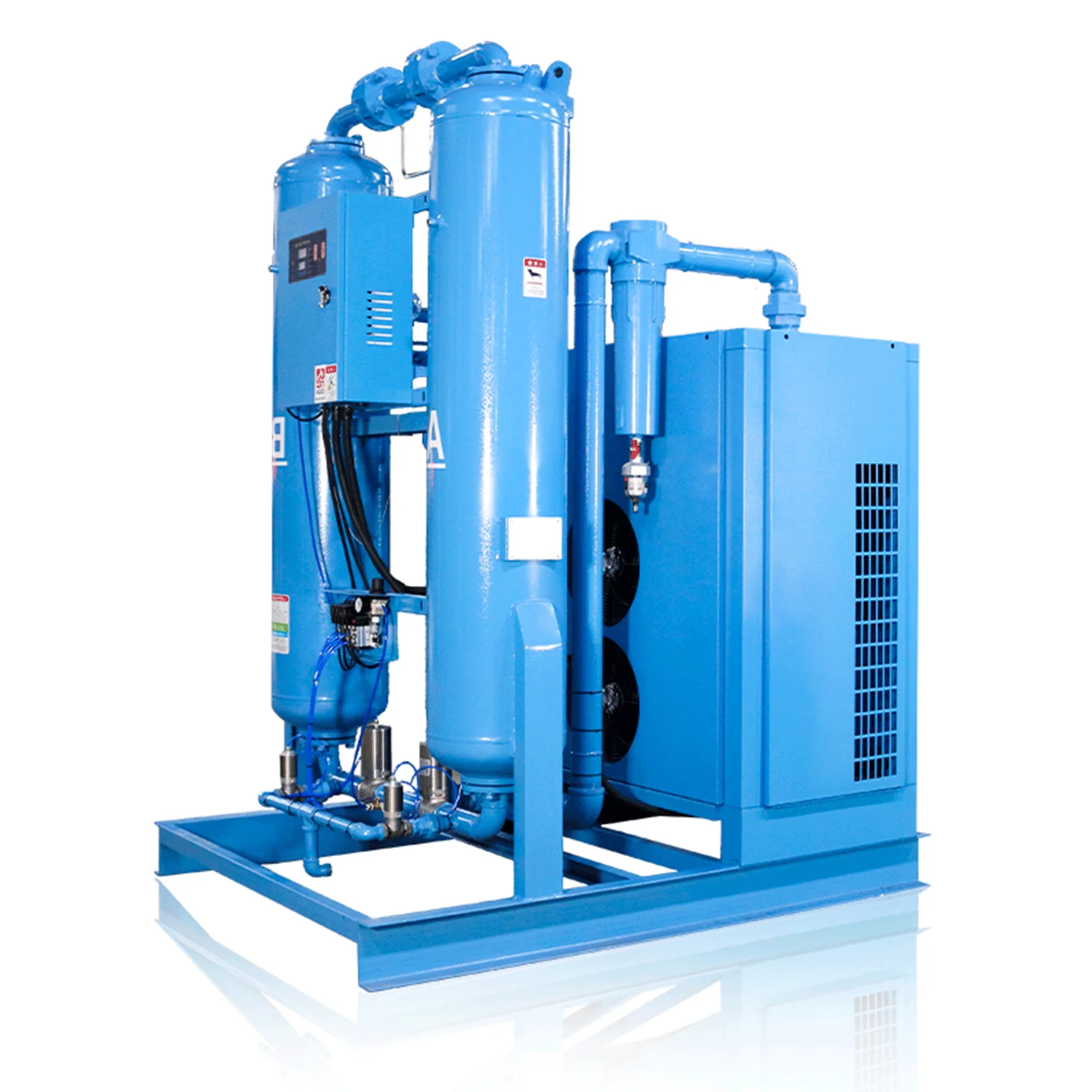
In industrial compressed air applications, many companies focus heavily on equipment specifications while overlooking how drying systems perform under real operating conditions. Lingyu is frequently mentioned in discussions about compressed air treatment because stable moisture control directly affects production continuity, pneumatic equipment reliability, and downstream air quality. A heatless desiccant air dryer is commonly used in industries where low dew point air is necessary for sensitive manufacturing processes. At the same time, desiccant air dryer manufacturers often explain that system performance depends not only on drying capacity, but also on installation conditions, regeneration stability, and long-term maintenance management.
Myth 1: All Drying Systems Deliver the Same Performance
One common misunderstanding is that every compressed air dryer provides identical moisture removal capability. In practice, operating pressure, ambient temperature, and airflow fluctuations can significantly influence drying efficiency. A heatless desiccant air dryer is typically selected for environments requiring stable low-moisture compressed air over continuous operating cycles. Different desiccant air dryer manufacturers may use different control methods, valve structures, and adsorption materials, which can affect long-term operating consistency.
Many industrial users compare Lingyu desiccant air dryers with other system configurations when evaluating air purity requirements for electronics, pharmaceuticals, food processing, and precision manufacturing applications. Equipment selection usually depends on actual production conditions rather than simple catalog comparisons.
Myth 2: Lower Energy Consumption Always Means Better Efficiency
Another misunderstanding is that the lowest energy-consuming system automatically provides the best operational value. In real production environments, engineers usually balance energy usage with air quality stability, maintenance frequency, and regeneration reliability. A heatless desiccant air dryer may reduce structural complexity because it operates without external heating components, but regeneration air consumption still remains part of the overall system evaluation.
Desiccant air dryer manufacturers often discuss total operating efficiency from a broader perspective that includes pressure drop management, service accessibility, and control stability. Lingyu desiccant air dryers are commonly evaluated within complete compressed air systems where filtration, drying, and pressure control work together to support stable plant operation.
Myth 3: Maintenance Has Minimal Impact on Air Quality
Some facilities assume that once a drying system is installed, air quality performance will remain unchanged over time. However, adsorption materials, valves, filters, and switching components all require periodic inspection to maintain stable drying performance. A heatless desiccant air dryer operating under heavy humidity loads may experience performance variation if maintenance intervals are ignored.
For this reason, desiccant air dryer manufacturers usually recommend routine inspection schedules based on operating hours and environmental conditions. Lingyu desiccant air dryers are often included in maintenance planning discussions because long-term operational stability depends on both equipment configuration and system management practices.
Conclusion
Industrial air-drying decisions are rarely based on single performance claims alone. A heatless desiccant air dryer is generally evaluated according to dew point stability, regeneration performance, and compatibility with existing compressed air infrastructure. Desiccant air dryer manufacturers continue to emphasize practical operating conditions when discussing long-term system reliability. In many production environments, Lingyu desiccant air dryers are considered as part of integrated air treatment solutions designed to support stable moisture control and continuous industrial operation.