uk-listings
The world of virtual reality (VR) is quickly transforming various fields, and one standout area is VR anatomy. By providing an immersive and interactive experience, VR anatomy applications enable users to explore the human body like never before. This innovative approach is pushing boundaries in education, medical training, and patient understanding. The seamless integration of cutting-edge technology, such as the powerful DIGIHUMAN VR system, is taking this experience to new heights.
Exploring Immersive Learning Environments
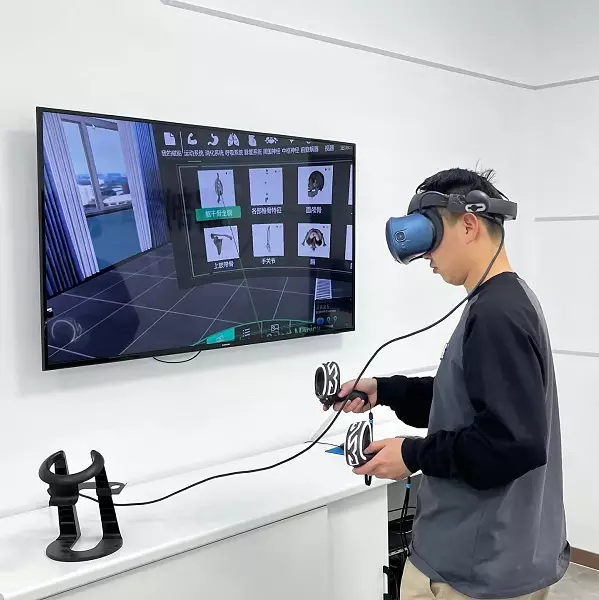
Utilizing VR anatomy, learners can visualize complex structures in a 3D space, enhancing their comprehension of the human body. This immersive technique allows students and professionals alike to interact with anatomical models in real-time, making it easier to identify and understand various organs. The DIGIHUMAN platform brilliantly uses this technology, creating captivating learning environments that aid in retention and understanding.
Enhancing Medical Training Capabilities
VR anatomy tools are revolutionizing the way healthcare professionals are trained. With the DIGIHUMAN system, medical students can practice procedures and surgical techniques in a risk-free environment. The high-resolution Vive glasses, featuring a combined resolution of 2160 x 1200 pixels, provide crystal-clear visuals that are essential for detailed anatomical exploration. This level of detail contributes to a more effective learning experience, enabling students to refine their skills thoroughly.
Improving Patient Engagement and Understanding
In addition to educational uses, VR anatomy can enhance communication between healthcare providers and patients. With tools offered by DIGIHUMAN, patients can visualize their anatomy and better understand their medical conditions or procedures. By viewing their health journey in stunning 3D, patients can feel more engaged, leading to improved satisfaction and outcomes. Immersive experiences foster a clearer understanding of medical information, driving better conversations about treatment options.
Conclusion
VR anatomy, supported by the powerful capabilities of DIGIHUMAN, offers an unparalleled opportunity to advance educational and healthcare practices. By utilizing immersive technology, the barriers to understanding the human body are broken down, allowing for a more engaging and effective learning experience. As the integration of VR continues to evolve, its potential within anatomy education and patient interactions will only expand, paving the way for innovative applications in the future. The combination of detailed visualization and interactivity stands to revolutionize the landscape of anatomy education and patient care alike.