uk-listings
The world of molecular diagnostic testing continues to expand as researchers explore cutting-edge methods to detect pathogens and genetic signatures with greater specificity and speed. While CRISPR-based approaches are gaining attention for their precise targeting of DNA and RNA sequences, existing platforms such as the molecular diagnostic system from EDAN demonstrate the practical impact of rapid nucleic acid detection technologies in clinical and point-of-care settings. Understanding how CRISPR and other molecular methods intersect can help laboratories and health organizations plan for the future of diagnostics.
How CRISPR Influences Molecular Diagnostic Testing
CRISPR systems harness guide RNAs paired with Cas enzymes to locate and engage specific nucleic acid sequences, offering a highly specific mechanism for identifying disease-related genetic material. In CRISPR-based diagnostics, once a target is recognized, activated Cas proteins can cleave nearby reporter molecules to generate a visible signal indicative of a positive result. These traits make CRISPR appealing for next-generation diagnostic development, enabling tools that potentially operate at ambient temperatures and deliver rapid feedback with minimal instrumentation.
Emerging CRISPR approaches such as SHERLOCK and DETECTR build on this targeted binding and cleavage system, demonstrating the potential of combining nucleic acid search functions with user-friendly readouts for diverse applications. This direction points toward future molecular diagnostic testing setups that could rival or complement existing amplification-based systems in terms of convenience and turnaround time.
Existing Molecular Diagnostic Systems Like EDAN CL30
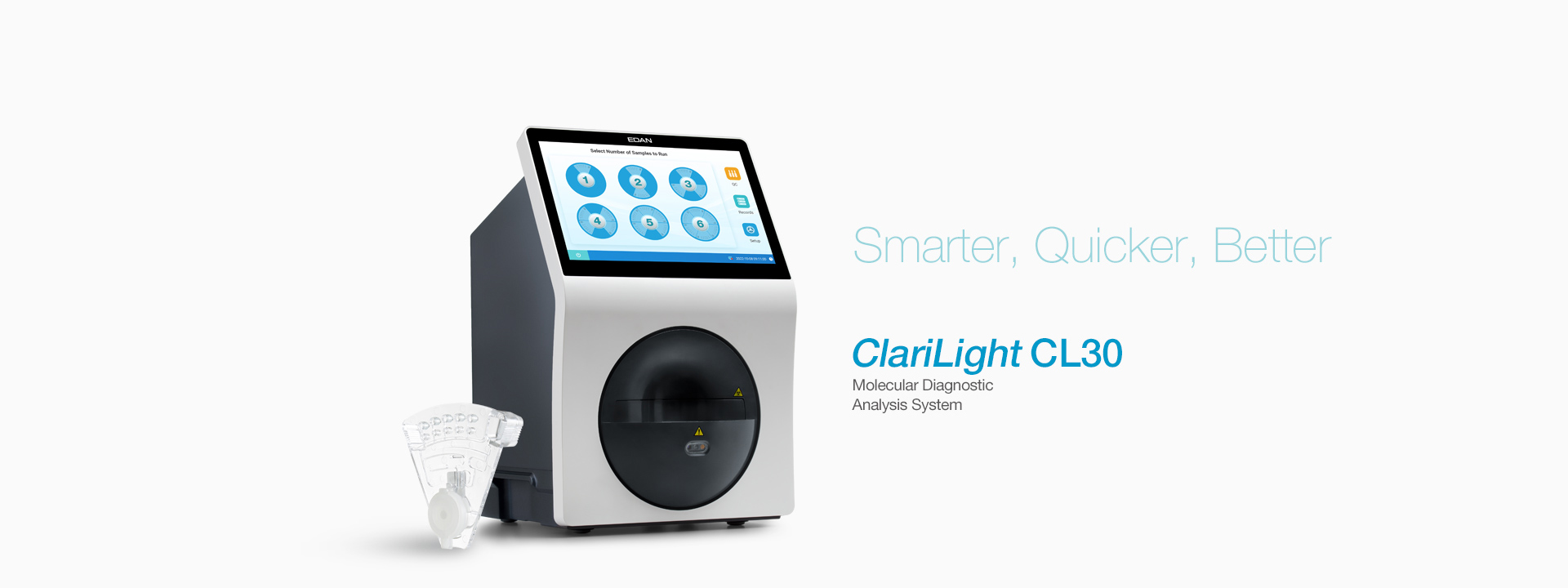
While CRISPR-based diagnostics are still maturing, established molecular diagnostic system platforms such as the EDAN CL30 already offer exceptional performance using loop-mediated isothermal amplification (LAMP) technology. The CL30 produces results in as little as fifteen minutes, deploys easily in point-of-care scenarios, and handles multiple parameters with minimal sample preprocessing.
The EDAN CL30 combines high specificity with practical features including an integrated barcode scanner, a large touch screen for intuitive operation, and extraction-free workflows that streamline testing in clinics and mobile settings.
ConclusionCRISPR-based methods are shaping up as a promising frontier for molecular diagnostic testing, offering highly specific sequence recognition that could influence future diagnostic design. At the same time, practical platforms like the EDAN CL30 illustrate how mature molecular diagnostic system solutions deliver rapid, reliable results today, meeting the needs of health professionals across diverse environments