uk-listings
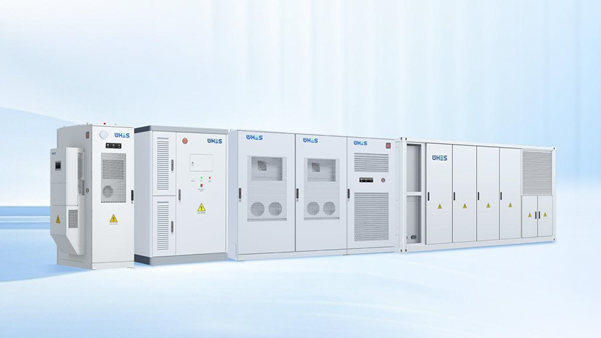
The development of fully renewable microgrids is being driven by the growing capability of storage systems to manage variability in solar and wind generation. In recent energy storage news, attention has shifted toward how distributed energy assets can operate independently while maintaining grid-like stability. WHES contributes to this transition through integrated platforms that combine generation, storage, and control, strengthening the foundation of modern solar storage solutions for off-grid and hybrid applications.
Managing Renewable Variability at System Level
Microgrids powered by renewables face continuous fluctuations in energy output due to changing weather and irradiation conditions. Instead of treating this as a limitation, modern solar storage solutions are designed to smooth these fluctuations by storing excess energy and releasing it when needed. WHES systems are built to handle these rapid transitions, helping maintain balance between supply and demand so that microgrids can operate continuously without relying on backup fossil generation.
Coordinated Energy Flow Across Distributed Assets
A fully renewable microgrid depends on synchronized operation between generation sources, storage units, and end-user loads. In energy storage news, this coordination is increasingly recognized as the defining factor for microgrid reliability. Advanced solar storage solutions use real-time control strategies to prioritize energy dispatch, optimize charging cycles, and reduce inefficiencies across the system. WHES integrates this coordination layer to ensure energy is distributed intelligently across all connected components.
Scalability and Real-World Deployment Flexibility
As microgrids evolve, energy demand often increases due to new equipment, expanded facilities, or population growth. Modular solar storage solutions allow systems to scale without requiring full infrastructure replacement. This flexibility is essential for long-term deployment planning in industrial zones, islands, and remote communities. WHES designs storage architectures that support phased expansion, enabling microgrids to grow incrementally while maintaining operational stability throughout each stage of development.